
If you live with endometriosis, you already know it’s more than just “a bad period.”
We’re talking chronic pain, fatigue, bloating, and often, a whole lot of frustration. While surgery and medical management have their place, nutrition can be a powerful tool in your endo toolkit — and no, that doesn’t mean a lifetime of boring salads.
Let’s dive into how the right foods can help reduce inflammation, support hormone balance, and ease some of the most common endo symptoms — without losing your mind (or your favourite meals).
First up: What’s the link between endo and food?
Endometriosis is a complex condition involving inflammation, sometimes estrogen dominance, and immune dysfunction. So, it makes sense that what we eat which directly affects inflammation, hormone metabolism, and gut health — can either help or hinder how we feel. This means a pro-inflammatory diet (think processed foods, sugar, and trans fats) can worsen symptoms, while an anti-inflammatory, nutrient-rich approach can help support the body.
So… What Should You Eat to Support Endometriosis?
1. Load up on Anti-Inflammatory Foods
Think of these as your internal fire extinguishers. They help calm the inflammation that drives endo pain and immune dysfunction.
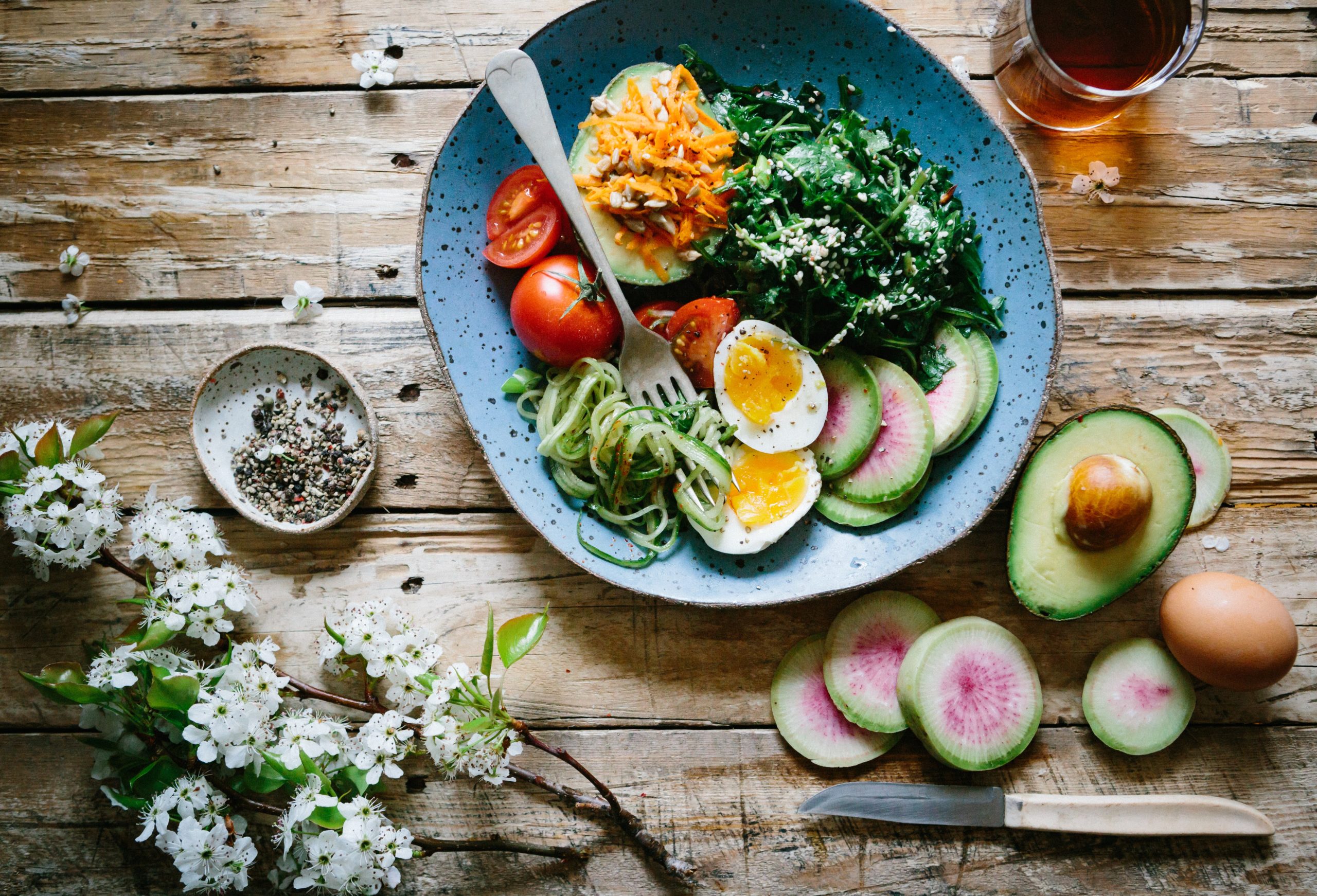
- Fruits and vegetables: Aim for a rainbow of fruits and vegetables — the antioxidants, polyphenols, and fibre all help reduce inflammation.
- Fatty fish (like salmon, sardines): Rich in omega-3s, which have been shown to help reduce pain and inflammatory prostaglandins.
- Nuts and seeds: Walnuts, flaxseeds, and chia are great sources of omega-3s and healthy fats.
- Extra virgin olive oil, turmeric, ginger, green tea: All have anti-inflammatory superpowers.
2. Reduce Pro-Inflammatory Foods
Sorry, but this is where we lovingly side-eye the processed snacks and daily iced lattes with syrup. While these foods can be delicious, they can also drive inflammation and worsen symptoms, so try to avoid:
- Refined sugar and carbs: These can spike blood sugar and drive-up inflammation.
- Trans fats and processed oils: Found in many baked goods, deep-fried foods, and margarines.
- Highly processed foods: Packaged snacks, fast food, soft drinks — you know the drill.
- Gluten: Gluten can be pro-inflammatory especially those with underlying gut issues or sensitivities, many people report a reduction in pain and bloating when cutting out gluten.
- Caffeine and alcohol: We know, don’t shoot the messenger — but both can aggravate inflammation and hormone imbalances. You don’t need to cut them out forever but reducing them (especially around your period) may do wonders for pain and mood.
3. Support Estrogen Detoxification
Many people with endo have signs of estrogen dominance — where there is too much estrogen circulating or it’s not being cleared effectively. This can drive tissue growth and worsen symptoms, so supporting estrogen clearance can be very helpful.
- Cruciferous vegetables (broccoli, cauliflower, kale): Contain compounds like indole-3-carbinol to help the liver detox excess estrogen.
- High-fibre foods: Think psyllium husks, legumes, and chia seeds — fibre helps bind and eliminate estrogen through the bowel.
- Liver-loving nutrients: B vitamins, glutathione, selenium, and magnesium help the liver process hormones efficiently (always consult with your naturopath or nutritionist before taking supplements).
4. Don’t Forget Gut Health
Emerging research is showing that the gut microbiome plays a big role in hormone balance and immune function. Plus, many people with endo experience IBS-type symptoms (bloating, constipation, etc).
Eat gut loving foods:
- Prebiotic foods: Like garlic, onion (if tolerated), leeks, chia seeds, asparagus, and berries.
- Probiotic-rich foods: Fermented foods like kefir, sauerkraut, and unsweetened yoghurt.
- Reduce gut irritants: If you experience bloating or discomfort, trial reducing gluten, dairy, or FODMAPs under guidance.
Final Word
If you’re feeling overwhelmed with what to eat (or not eat) for endometriosis — you’re not alone. Nutrition can make a big difference, but it’s not always easy to figure it out on your own. If you’d like more personalised guidance, diet tips, or support with managing endo symptoms, give us a call on 4961 4057 or book an appointment (link here) with one of our qualified naturopaths or nutritionists. We’re here to help you feel empowered, supported, and confident in making food work for you — not against you.