

By MullenHealth Naturopaths · Reviewed by Kate Robertson, Associate Naturopath (BHSc) · Last updated November 2026
Your thyroid is a small gland at the base of your neck, but it sets the pace for almost everything – your energy, weight, mood, body temperature, hair, skin, gut and cycle.
When it’s out of balance, the signs are easy to brush off as stress, getting older or “just being busy”.
At MullenHealth, our naturopaths work alongside your GP to support your thyroid health. We look at your results in detail, find what’s driving your symptoms (nutrients, gut health, stress, hormones and lifestyle), and build a plan that fits your life. Family owned and caring for Newcastle families since 1958.
Could it be your thyroid? The signs people don’t connect
Many people with a thyroid problem don’t have the “classic” picture. Open each section to see the symptoms that are often missed.
Energy, brain and mood
- Tired all the time, even after a full night’s sleep
- Brain fog, poor memory or trouble finding words
- Low mood, flatness or losing motivation
- Anxiety, feeling “wired”, racing thoughts or poor sleep (can point to an overactive thyroid)
- Needing a nap in the afternoon to get through the day
Weight and metabolism
- Weight gain or can’t lose weight, even when eating well and exercising
- Puffy face or fluid retention
- High cholesterol that doesn’t make sense for your diet
- Unexplained weight loss with a bigger appetite (overactive thyroid)
Hair, skin and nails
- Hair thinning or falling out in the shower
- Thinning of the outer third of your eyebrows
- Dry, rough skin and cracked heels
- Brittle, ridged or slow-growing nails
Body temperature, heart and muscles
- Always cold – cold hands and feet, wearing a jumper when others aren’t
- Or always hot and sweaty (overactive thyroid)
- Slow heart rate, or a racing or pounding heart
- Muscle aches, cramps, weakness or stiff joints
- Tingling in the hands (carpal tunnel)
- Hoarse voice, or a feeling of fullness or swelling in the neck
Gut and digestion
- Constipation or sluggish bowels (underactive)
- Loose bowels or frequent trips to the toilet (overactive)
- Bloating and food sensitivities – the gut and thyroid are closely linked
Periods, fertility and pregnancy
- Heavy, painful or irregular periods
- Trouble falling pregnant or recurrent miscarriage
- Feeling flat, exhausted or anxious after having a baby (postpartum thyroiditis)
- Low libido
Thyroid health matters before and during pregnancy. If you’re trying to conceive, ask your GP for a thyroid check, including antibodies. Our fertility naturopaths can then support you with a full preconception plan.
Midlife and perimenopause
Fatigue, weight gain, low mood, poor sleep, hair changes and irregular periods can be perimenopause, thyroid or both. Thyroid problems become more common with age, especially in women, so it’s worth checking rather than guessing.
Ticking a few of these? They don’t mean you definitely have a thyroid condition. They mean it’s worth asking.
Could it be your thyroid? Take the 2-minute quiz
Answer a few quick questions about your energy, weight, mood, hair, skin and cycle. You’ll get an instant score showing whether your symptoms may be linked to your thyroid, plus next steps.
The quiz is a general guide only and can’t diagnose a thyroid condition. Blood tests through your GP are needed to confirm how your thyroid is working.
Types of thyroid conditions
Underactive thyroid (hypothyroidism)
Your thyroid isn’t making enough hormone, so your body slows down: tiredness, weight gain, feeling cold, constipation, low mood and dry skin. It’s much more common in women than men.
→ Read more: 5 Signs You Have an Underactive Thyroid
Hashimoto’s thyroiditis
Hashimoto’s is an autoimmune condition, where the immune system attacks the thyroid. It’s the most common cause of an underactive thyroid in Australia. Thyroid antibodies (TPO and thyroglobulin antibodies) can be raised for years before TSH changes, which is why some people are told their thyroid is “fine” when the process has already started.
Because it’s an immune condition, our support looks at the immune system, gut, stress and nutrients, not just the gland.
→ Read more: Hashimoto’s Disease: a Natural Approach
Overactive thyroid (hyperthyroidism) and Graves’ disease
Too much thyroid hormone speeds everything up: anxiety, racing heart, weight loss, heat intolerance, tremor and poor sleep. Graves’ disease (also autoimmune) is the most common cause.
An overactive thyroid always needs medical care from your GP or endocrinologist. Our naturopaths can support you alongside that care, with nervous system support, nutrition and stress management.
→ Read more: 10 Signs You Might Have Hyperthyroidism
Subclinical hypothyroidism (“borderline” thyroid)
Your TSH is slightly high but your thyroid hormones are still in range. Many people in this group are told to “watch and wait”. It’s a good time to look at nutrients, antibodies, gut health and stress, and to keep re-testing with your GP. It matters even more if you’re planning a pregnancy.
Postpartum thyroiditis
Thyroid inflammation in the first year after birth. It can swing from overactive (anxious, wired) to underactive (exhausted, flat), and is easily mistaken for “new mum tiredness” or postnatal depression. If this sounds like you, ask your GP for a thyroid test.
Thyroid nodules and goitre
Lumps in the thyroid or an enlarged gland are common and most are harmless, but they always need to be checked by your GP, usually with an ultrasound. See your GP promptly if you notice a lump, swelling, a change in your voice, or trouble swallowing or breathing.
Thyroid tests explained
“Your bloods are normal” isn’t always the full story. Here’s what a complete thyroid picture can include.
- TSH – the screening test. It’s the brain’s signal asking the thyroid to work harder.
- Free T4 – the main hormone your thyroid makes (the storage form).
- Free T3 – the active hormone your cells actually use. T4 has to be converted into T3, and that conversion needs nutrients like selenium, zinc and iron.
- Thyroid antibodies (TPO and TgAb) – show whether the immune system is involved (Hashimoto’s). Often not included in a routine check.
- Reverse T3 – can rise with stress, illness or dieting.
- Related markers – iron studies (ferritin), vitamin D, B12, folate and zinc can all affect how you feel and how well your thyroid hormone works.
Tip: biotin (common in hair, skin and nails supplements) can interfere with thyroid blood tests. Tell your GP if you take it, as you may need to stop it a few days before testing.
Already have results? Bring them to your FREE 15 Minute Consultation. We look at where you sit within the range, not just whether you’re in it.
→ Read more: Why Your Thyroid Test Might Be Wrong
How a naturopath supports your thyroid
Naturopathic thyroid support is a health journey, not a one-visit fix. Most people see their naturopath over several appointments as we test, adjust and track progress together.
1Listen and look closely
Your full health history, symptoms, family history, diet, stress, sleep and cycle, plus a free iris exam as part of your first consultation.
2Understand your results
We review your GP’s blood tests in detail and may suggest extra tests to ask for, or functional testing in clinic (see Health Testing).
3Find the drivers
Nutrient gaps (iron, selenium, zinc, iodine, vitamin D), gut health, blood sugar, stress and cortisol, and inflammation.
4Build your plan
Food that suits you (not a one-size-fits-all internet diet), practitioner-grade nutrients and herbal medicine where right for you, and lifestyle steps for sleep and stress.
5Review and adjust
Follow-up appointments and re-testing with your GP so we can see what’s changing.
Iodine – it’s complicated
Your thyroid needs iodine, but in Hashimoto’s, high-dose iodine (including kelp) can aggravate the immune process in some people. Please don’t self-prescribe – get advice for your situation first.
Your naturopath and your GP: better together
We don’t replace your doctor. We work alongside them.
Your GP or endocrinologist
- Diagnoses thyroid conditions
- Orders blood tests and scans (often Medicare-funded)
- Prescribes and adjusts thyroid medication
- Monitors for complications
Your MullenHealth naturopath
- Spends time on your whole story and symptoms
- Reviews your results in detail and suggests what else to ask about
- Supports nutrients, gut health, stress, sleep and diet around your medication
- Tracks how you actually feel day to day, and refers you back when needed
On thyroid medication? Keep taking it exactly as your doctor prescribed. Never stop or change your dose without your GP. We’ll make sure your supplements are timed so they don’t interfere – for example, iron, calcium and magnesium are usually taken about four hours away from thyroxine, and coffee kept away from your dose.
What the latest research says (2025–2026)
Thyroid research is moving fast, and some of it may surprise you.
“My bloods are normal, so why do I still feel unwell?”
You’re not imagining it. A 2025 review of 17 studies in the European Journal of Endocrinology found quality of life is still impaired in many people with hypothyroidism, even after long-term treatment with thyroxine.1 Another 2025 study of 157 people on well-managed thyroxine found that thyroid blood tests didn’t predict how well people felt – mood, body weight and how strongly people felt their body symptoms did.2 That’s why we support the whole person, not only the number on the lab report.
Stress really does affect your thyroid
A 2026 review found that ongoing stress and high cortisol can lower TSH output, reduce the active thyroid hormone (T3), raise reverse T3, and unsettle the immune system in ways linked to Hashimoto’s and Graves’. The authors suggest stress reduction and getting nutrients like selenium, vitamin D and zinc right may complement standard thyroid treatment.3 That’s a strong case for your GP and your naturopath working together.
Your gut and thyroid talk to each other
A 2026 review describes a two-way link between gut bacteria and the thyroid. An imbalanced gut can increase gut permeability and inflammation, and is linked to autoimmune thyroid conditions. Gut bacteria also play a part in thyroid hormone metabolism.4 This is why gut health is part of every thyroid plan at MullenHealth.
→ Read: The Gut–Thyroid Link
Vitamin D is lower in thyroid conditions
A 2026 analysis of 38 studies found people with thyroid conditions had lower vitamin D than people without, with the biggest gap in Hashimoto’s.5 This shows a link, not that vitamin D alone fixes the thyroid, but it’s a simple thing to test and correct.
Selenium and myo-inositol
A 2026 meta-analysis (3 studies, 288 people with Hashimoto’s and borderline-high TSH) found that combining myo-inositol with selenium lowered TSH more than selenium alone.6 It’s early evidence from a small number of studies, so we use it carefully and only where it suits you.
The surprise: gluten-free isn’t a must for everyone
Going gluten-free is common online advice for Hashimoto’s. A 2025 meta-analysis found only 3 trials (110 people), with very uncertain and mixed results on thyroid hormones and antibodies.7 Some people do feel better without gluten, and coeliac disease is more common with Hashimoto’s, so it’s worth testing. But it’s a reason to get advice that’s personal to you, rather than cutting out foods you don’t need to.
This information is general education and doesn’t replace advice from your doctor. Research findings are early and individual results vary.
Meet Kate: thyroid health is her passion
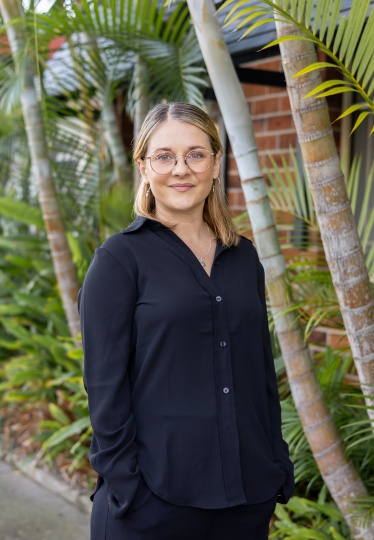
Kate Robertson
Associate Naturopath · Special interest in thyroid & Hashimoto’s
Kate has a special interest in thyroid health, particularly Hashimoto’s. She understands it from both sides – professionally and from her own experience managing Hashimoto’s. Kate supports clients with hypothyroidism, Hashimoto’s and overactive thyroid, along with the energy, stress, sleep, gut and hormone issues that so often come with them. She’s also trained in microscopic blood analysis.
Prefer another naturopath, or need a different time? Book with any of our team →
Every MullenHealth naturopath supports thyroid health, so you can book with whoever suits you best – Peter Mullen, Krystle Alves, Casey Harrison, Kate Robertson or Mary Cotterill.
Thyroid reading from our naturopaths
More from the blog: Making Your Thyroid Thrive, 4 Tips for a Healthier Thyroid, Is Your Thyroid Making You Sick? and Understanding Autoimmunity.
Thyroid FAQs
Can a naturopath help with Hashimoto’s?
Yes. A naturopath can support you alongside your GP by looking at the immune system, gut health, stress, diet and nutrients like selenium, zinc, iron and vitamin D. We don’t replace your medical care. We work with it.
Do I need to stop my thyroid medication?
No. Keep taking your medication as prescribed. Any change to your dose should only be made by your doctor. We’ll time your supplements so they don’t interfere.
My thyroid test came back normal but I still feel unwell. What now?
A routine check is often just TSH. Ask your GP whether free T4, free T3 and antibodies were tested, and bring your results to us. We’ll look at the full picture, including iron, vitamin D and B12.
Can I see you without a diagnosis?
Yes. Many people come to us with symptoms and no answers yet. We’ll help you understand what to ask your GP to test.
Should I go gluten-free or take iodine?
Not without advice. The research on gluten-free diets for Hashimoto’s is mixed, and high-dose iodine can make Hashimoto’s worse in some people. Your plan should be personal to you.
How long until I feel better?
Everyone is different. Thyroid support is a journey over several appointments, as we test, adjust and track progress with you and your GP.
Do you offer telehealth?
Yes. You can see us in clinic in Hamilton or by telehealth from anywhere in Australia.
Is it covered by my health fund?
Some health funds cover some of our services. It’s best to check with your fund and your level of cover.
Ready to feel like yourself again?
Start with a FREE 15 Minute Consultation, or book straight into an Initial Consultation with Kate or another of our naturopaths.
Call (02) 4961 4075
16 Murray Street, Hamilton NSW 2303 · In clinic and telehealth
References
- Thvilum M, et al. Quality of life in patients with overt hypothyroidism: a systematic review. Eur J Endocrinol. 2025;193(3):S26–S35. PMID 40911397
- Bakos B, et al. Psychological factors and obesity, not thyroid biomarkers, predict thyroid-dependent quality of life in treated hypothyroidism. BMC Endocr Disord. 2025;25:136. PMID 40420021
- The influence of stress and cortisol on thyroid dysfunction (review). Endokrynol Pol. 2026;77(3):127–133. PMID 42376980
- Raghuvanshi P, et al. The gut-thyroid interplay: emerging role of gut dysbiosis in thyroid dysregulation. Biochem Biophys Res Commun. 2026;830:154165. PMID 42419219
- Luo W, Chen K, Li X. Serum 25-hydroxyvitamin D levels are associated with thyroid diseases: a systematic review and meta-analysis. Medicine (Baltimore). 2026;105(40):e50988. PMID 42826330
- Stanchev P, et al. Myo-inositol plus selenium vs. selenium alone in Hashimoto’s thyroiditis with subclinical hypothyroidism: a systematic review and updated meta-analysis. J Clin Med. 2026;15(9):3179. PMID 42122912
- Araújo EMQ, et al. Effects of gluten-free diet in non-celiac Hashimoto’s thyroiditis: a systematic review and meta-analysis. Nutrients. 2025;17(21):3437. PMID 41228508
